
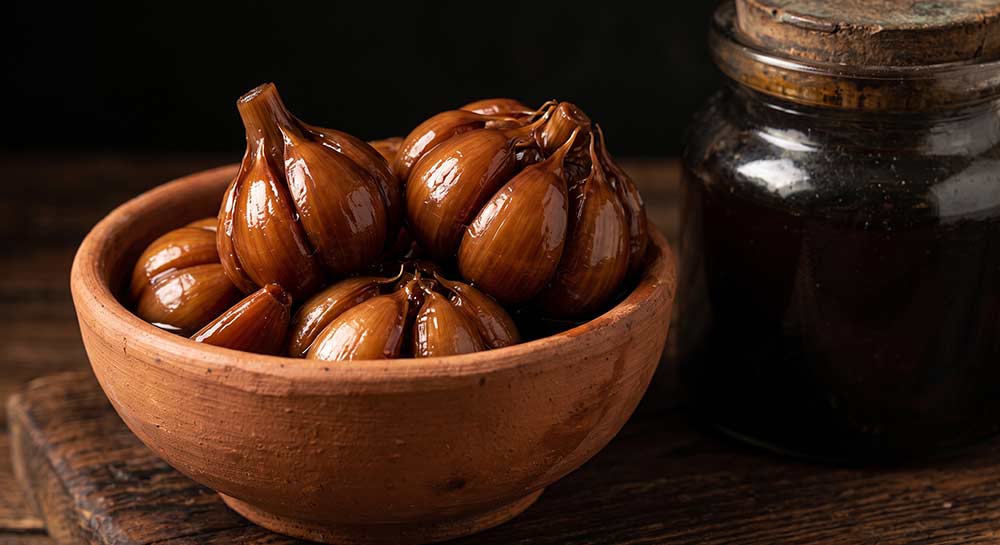
Sir Torshi is undoubtedly one of the most fascinating and deeply rooted culinary treasures in traditional Persian cuisine. In Western culinary traditions, time is the ultimate tool used to age fine wines, cure premium meats, and perfect mold-ripened cheeses. However, in Iran, time works its magic on a completely different, yet equally remarkable ingredient: raw garlic. If you walk into the pantry or cellar of a traditional Iranian home especially in the lush northern provinces along the Caspian Sea you will likely find large, dark glass jars labeled with dates from a decade ago. These jars do not hold vintage wine; they are home to Sir Torshi, an ancient culinary potion where the passage of time transforms a pungent, sharp bulb into a soft, sweet, and balsamic-like jewel. Let’s dive into the fascinating world of fermentation, patience, and flavor engineering in Persian food culture.
The Alchemy of Time: From Pungent to Caramel-Sweet
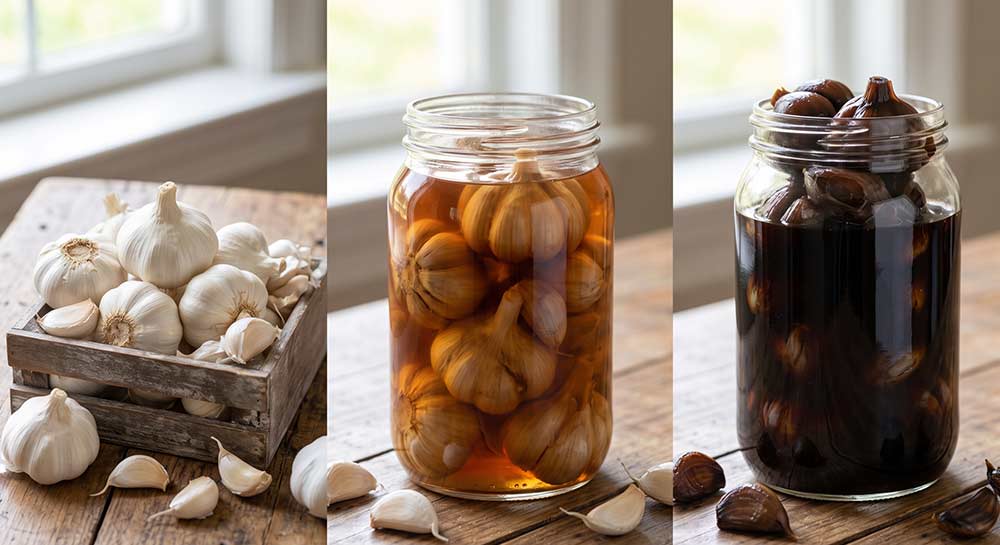
The traditional recipe for Sir Torshi seems deceptively simple on the surface. It requires whole heads of raw garlic, natural apple or grape vinegar, a pinch of salt, and sometimes a touch of date molasses or pomegranate syrup to kickstart the fermentation. But the true secret ingredient is not found in a local market; it is simply patience.
During its first or second year, the pickled garlic retains a sharp bite, a crunchy texture, and an acidic kick. But as the jar rests undisturbed in a dark, cool corner and approaches the legendary 7-year mark, a magical chemical reaction occurs. The pristine white garlic cloves slowly turn a deep, glossy mahogany brown. Their texture becomes as smooth and spreadable as roasted bone marrow, and their aggressive pungency is entirely replaced by a deep, earthy sweetness reminiscent of premium aged balsamic vinegar. The best part for food lovers? Well-aged Sir Torshi completely loses the lingering “garlic breath” effect, making it a sophisticated addition to any meal.
A Jar of Medicine: Traditional Persian Healing
In Iran, Sir Torshi is never viewed merely as a side condiment; it is widely regarded as a potent natural medicine. In the ancient philosophy of traditional Persian medicine, raw garlic has a severely “hot” and dry nature, while vinegar is intensely “cold” and wet. The masterful combination of the two, balanced by years of slow aging, results in a perfectly “tempered” ingredient that harmonizes the human body.
Iranian grandmothers and traditional healers firmly believe that eating a few cloves of well-aged Sir Torshi every week offers profound health benefits. It is known to purify the blood, naturally lower high blood pressure, and aid in the digestion of heavy, fat-rich meals. Furthermore, it acts as a robust natural antibiotic, boosting the immune system during cold winter months.
The Ultimate Culinary Sidekick: How to Serve It
You cannot pair Sir Torshi with just any random dish; this aristocratic and time-honored condiment demands culinary respect. Its true geographical home is the Caspian Sea coast, specifically in the Gilan and Mazandaran provinces. Because of its origin, Sir Torshi is the absolute perfect pairing for traditional Persian seafood dishes, such as grilled white fish (Mahi Kabab) or fried trout served with aromatic herb rice (Sabzi Polo).
Beyond seafood, it is the ultimate companion for authentic Northern Iranian vegetarian stews. Dishes like Baghali Ghatogh (a dill and fava bean stew) or Mirza Ghasemi (a rich, smoked eggplant and garlic dip) reach their full potential when served alongside this aged pickle. The brilliant contrast between the smoky, savory flavors of the main course and the sweet, tangy, and earthy depth of the aged garlic creates an unforgettable Umami explosion in the mouth.
A Time Capsule in a Glass Jar
Opening a 7-year-old jar of Sir Torshi is essentially like opening a culinary time capsule. It serves as a delicious, grounding reminder that the world’s greatest and most complex flavors cannot be rushed in modern factories. They require nature, silence, darkness, and a deep respect for the passage of time. If you ever visit an authentic Persian restaurant or get invited to an Iranian home, make sure to ask for this legendary aged garlic. Your taste buds will experience a piece of edible history.