

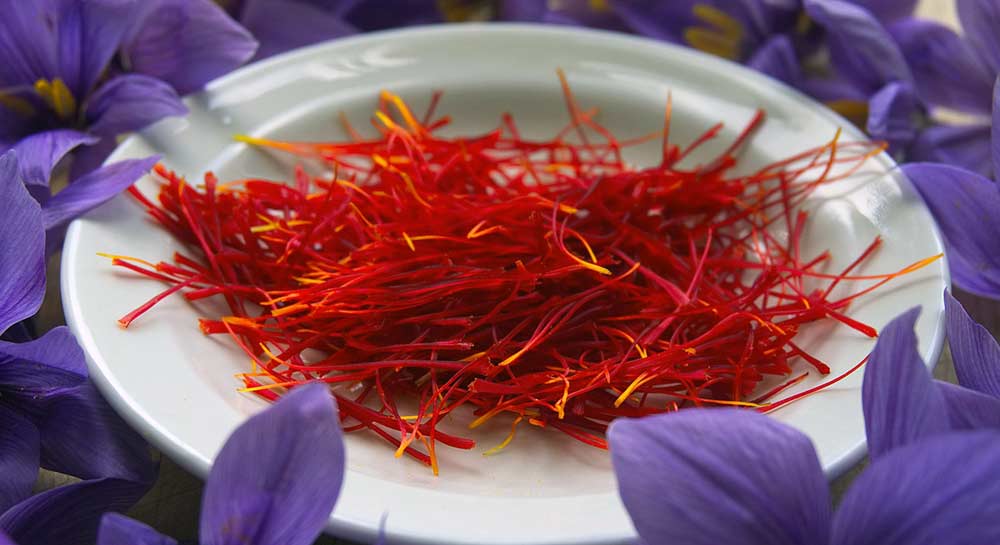
If you have ever purchased this magical red spice for your kitchen, you have probably asked yourself: why is saffron expensive? Often referred to as “Red Gold,” premium saffron can sometimes cost more than actual gold by weight. It is a question that crosses every chef and food lover’s mind when they see the small, lightweight packages carrying such a hefty price tag.
But what exactly justifies this mind-boggling price? Is it just a culinary luxury, or is there a deeper, more complicated agricultural story behind those tiny red threads?
In this comprehensive guide, we will explore everything you need to know about the most expensive spice in the world and why it holds such incredible value.
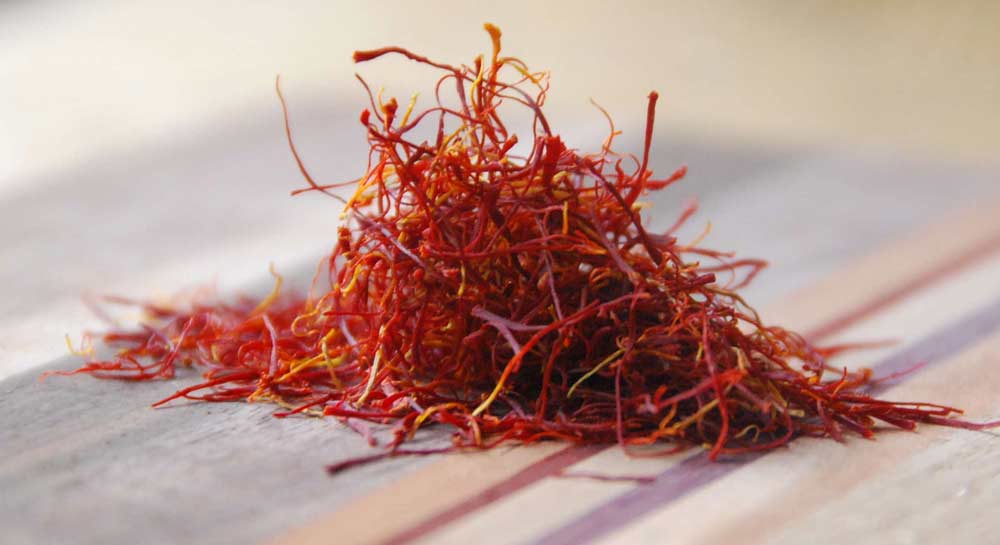
The Main Reasons: Why is Saffron Expensive?
To truly understand the high cost of this spice, we must look at how it is grown, harvested, and processed. Here are the primary reasons that answer the question of why is saffron expensive.
1. The Extremely Labor-Intensive Harvest
Unlike most modern agricultural products, saffron cannot be planted or harvested by heavy machinery. The delicate nature of the Crocus sativus (the scientific name for the saffron crocus flower) requires an incredibly gentle human touch.
Every single flower must be carefully hand-picked by skilled workers. Furthermore, the harvesting must be done at dawn before the sun gets too hot. Direct sunlight and heat can quickly break down the delicate chemical compounds that give saffron its unique aroma, color, and health benefits. Inside each flower, there are only three tiny red stigmas (the threads). Plucking these threads from the flower without damaging them is a painstakingly slow and delicate manual process.
2. A Staggering Yield Ratio
To fully grasp the reality of saffron production, you need to look at the mathematics behind the harvest. Each saffron flower produces only three tiny threads.
To produce just 1 kilogram (about 2.2 pounds) of high-quality dried saffron, farmers need to hand-pick approximately 150,000 to 170,000 individual flowers! It takes around 40 hours of intense, back-breaking manual labor just to pick and process enough flowers for one single kilogram. The sheer volume of flowers and human effort required to produce a small amount of spice is the biggest factor driving up its premium price.
3. A Very Short Blooming Season
Another reason that answers why is saffron expensive is its incredibly brief blooming season. Saffron does not grow all year round.
The saffron crocus blooms only once a year, usually for just a few short weeks in late autumn (typically late October to early November). Farmers have a very tight and stressful window of only one to two weeks to harvest their entire crop. If they miss this crucial window, or if the weather suddenly changes, the flowers wither, and a whole year’s agricultural harvest is completely lost.
4. Unmatched Flavor, Aroma, and Health Benefits
Beyond the farming difficulties, saffron is highly prized and valued for its unique chemical composition. You are not just paying for the labor; you are paying for unmatched quality. The high price is also tied to these three natural compounds:
- Crocin: This compound gives the spice its vibrant, rich red-orange color.
- Safranal: This provides the distinct, earthy, and floral aroma that fills the room.
- Picrocrocin: This is responsible for its unforgettable, slightly bitter flavor.
Besides culinary uses in famous international dishes like Spanish Paella, Italian Risotto, and Persian Tahdig, saffron is a powerhouse of antioxidants. Modern studies have shown that it can help reduce daily stress, naturally improve mood (it is often called the “sunshine spice”), and even boost memory function.
Is the Red Gold Worth It?
So, why is saffron expensive? Because when you buy authentic, pure saffron, you are not just paying for a simple cooking ingredient. You are paying for hundreds of hours of dedicated manual labor, a rare plant with a tiny harvest window, centuries of agricultural tradition, and a complex flavor profile that no artificial laboratory substitute can ever replicate.